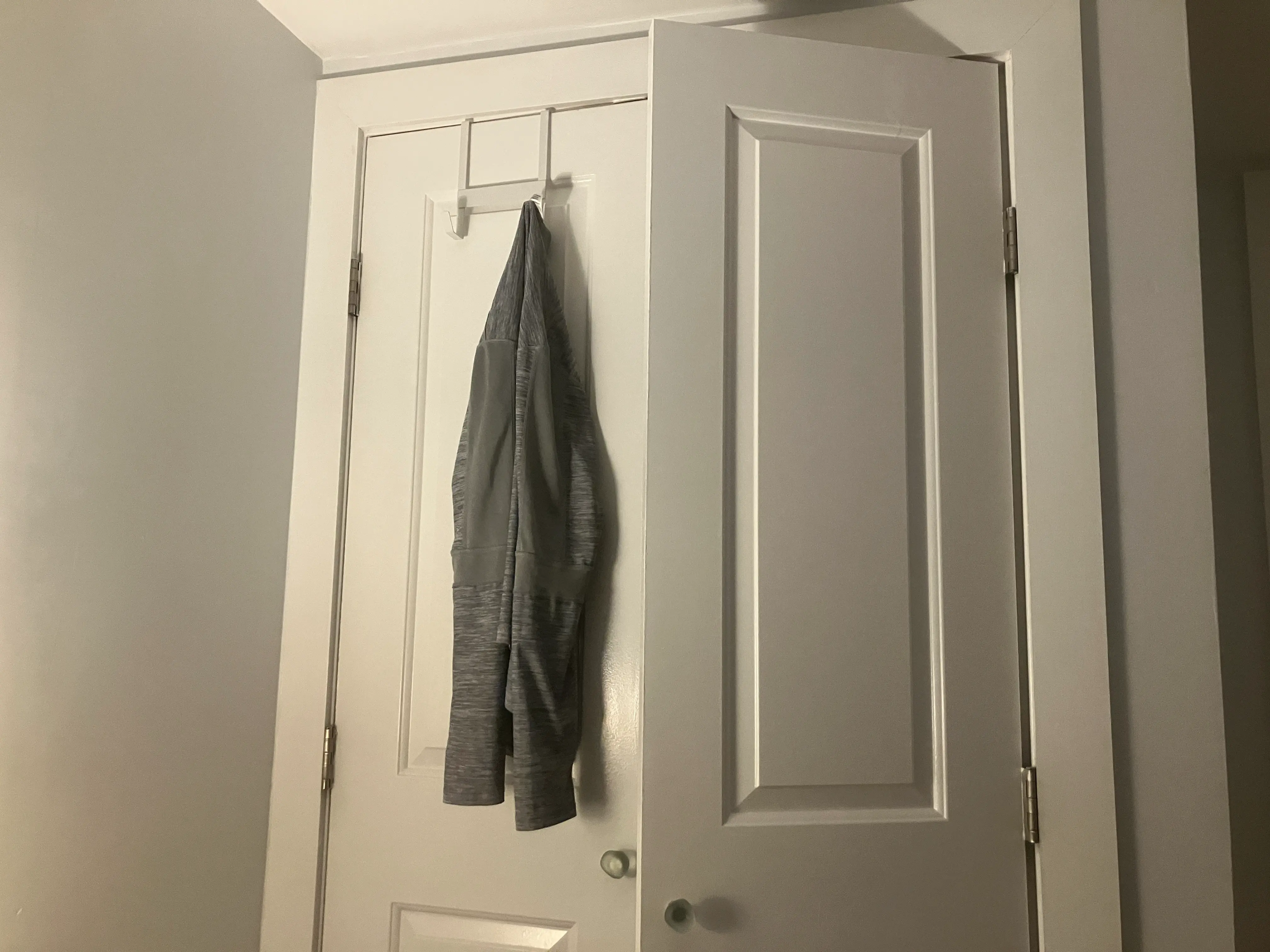
reading:
LEFT: POWER OF PARTS
The Language Instinct p83–86 (or beyond) OR Chapter 6 “Jump To Universality” p126–146 (pw interact) from The Beginning of Infinity
RIGHT: REALITY OF WHOLE
Master and Emissary (as many segments as you can) OR TED Talk OR 0.99 Short Book OR amazingly long book
from the language instinct:
the infinite use of finite media.
didn’t really get much out of the reading, and didn’t find jump to universality particularly interesting. it was marveling at things that i had previously looked at.
from the ted talk:
paradoxical relationship with the world
necessary distance: cheat or empathize. can predict (?)
writing:
asks:
left:
If you are collaborating with someone, which would you rather receive: Google Doc or a screenshot, Illustrator file or a JPEG, MIDI or MP3? Which enables a conversation instead of just a statement? How does breaking things into addressable and rearrangeable parts enable expression? Is it too much “paint by numbers” for your taste?What are some systems that have used this technique of a discrete combinatorial (Pinker) or Universal System (Deutsch), and what were the results? How does it create a vast “space” of expression?
This obviously works for words (and numbers and DNA), but what about images? Imagine a scene, and then decide what are the changeable parts and how do you create a syntax for them to go well together? Can you create a visual language? Can you imagine a medium like film except “unflatten” with the parts still changeable?
right:
How much of your knowledge is explicit? McGilchrist’s description of the two different styles of understanding the world, left brain and right brain, he says the right brain way of processing the world is often undervalued but enables most of the good things in life, like humor and empathy. Do you buy that?How well has computation done working with either style? Has computation furthered the personal and societal injuries of an imbalanced emphasis on a style of breaking things down into recombinable parts that we celebrated by Deutsch and Pinker?
Will Machine Learning’s ability to capture beyond our explicit “if statements” and find myriad correlations of correlations allow computers to work more in the holistic style of the right brain? LLMs know the relationship between words, but the world is not made out of words. Can diffusion models know the relationship between pixels? Does this bring us closer to applying computation on a blended system?
Can machine learning training find the important recombinable features for us but then render them out into convincing wholes to give us the best of both halves?
when i sit down to write this, i find myself rambling. i despise that i’m not articulate; that my thinking is not clear. writing in this class makes me feel so incapable; but, at the same time, reveals how little i actually know about how i think. so, i try; i try writing automatically — to do what cody calls a ‘brain-retch’. so, i’m sorry you have to read these pieces of incoherent thought; i don’t know anything; i can’t get myself to form solid opinions on the contents of this class — i can convince myself to see either ways; and just the unverifiability of it all makes it hard to argue a certain case (unless, perhaps, i was a neuroscientist — but even then (you know?)).
//
there are too many prompts. building on what i’ve gathered from past classes, i assume these prompts are to nudge me to think certain ways, and that i can write — in general — about the readings & prompts from this week.
the first bit we touch on is language (or, for that matter, digits, code, images, music). any way to encode thinking, and to translate it to communication. no media — whether cave-drawing-media from many years ago to machine-learning models now — are ever going to communicate the thinking as clearly. things will get lost in translation. and they must be — if we think about the parts from the first class (we don’t create thoughts; we merely experience them). therefore, the thought can only be experienced — in its purest manner — by myself. and perhaps not even then — because the way i process thoughts is also constructed (i now think in words because i am trained to do so; but maybe there is a layer of translation where the thought isn’t actually a word).
but any kind of encoding is the closest we have in sharing our thoughts with the world. and the losses that happen — that’s what makes it so beautiful too. sometimes, you read a thought by someone expressed in words, but you’re not quite clear what they meant. and what’s beautiful too — their (poor) translation of thought opens up new doors for you (damn, what did they mean)?
after accepting that translation will lead to loss:
i don’t feel biased towards certain kinds of languages. a thought can be expressed in many languages, and each will dramatically differ the listener’s (or viewer’s or feeler’s; whatever’s) experience. the medium holds a certain power. as an artist, or any person who wishes to communicate, it is my intuition to select a particular medium.
i sometimes wonder what the world would be like if we understood each other a hundred percent. no room for interpretations, no miscommunications. would rumi still have been rumi? would faiz ahmed faiz’s poetry still feel akin to moments in my life? perhaps not; perhaps that room for interpretation is what i need to mould a thinker’s thought to relate to my life.
i am reminded of shobhan’s email when i was leaving for new-york: artists don’t need to be good; they, merely, must be relatable.
and then we talk about the connections to machine’s thinking. yes, a machine can make a myriad of connections. so can we.
“colorless green ideas sleep furiously” could have been a machine-generated piece of text; but it can also be interpreted as a beautiful line of poetry (with semantic connections to the words).
i don’t understand the hype between connection-making machines. today, if you give me two words, i can map out a connection between them. and i can sell it to you meaningfully. i can also take you through a story. and so can a machine. while writing this, actually, i reflect back to my conversation-with-tanika_260922, and the importance of my role as a performer in the art that i produce (because, frankly, without me, the work could have been produced by a machine too).
the other difference that the prompts bring about for me is the difference between a thought & a feeling. when something happens to me, i feel an energetic change; a sensation in my body; but to understand it (to make it make sense for myself), i must convert that feeling to a thought. and then i have to label it, and what not. this way of living is the only way we know it makes sense — convert feeling to thought to then words to be able to communicate it to other people. but maybe there was a whole other system that we were just never able to crack, you know? maybe we were never meant to communicate. or we were meant to communicate differently. or there was something about energy that we didn’t figure out for many years.
i always that this recurring thought that pops up in my head many times. i imagine a group of beings descend onto the earth, and they look at our ways of existing. and we explain them proudly — our fanciest technologies. and the beings point out something that we got fundamentally wrong. like all our first principles were just wrong at the core. and when they say it, it makes so much sense. all of us collectively go — “ohhhh”. i don’t know — i sometimes we feel we just got everything wrong, you know? from the start. from the first decision, and we’ve been paying the brunt since.
making:
ask:
Continue with your work experimenting with ML models. Try using a model that takes or returns another media type besides text.
The text from last week was recorded at pixels on the screen. Try recording everything into a data structure like JSON. Allow items to be clicked on separately manipulated. Try to allow them to animate separately.
Try to store that JSON in “localstorage”
Create a new kind of paint program using AI as power steering.
In 1839, Paul Delaroche famously declared, “From today, painting is dead!” meaning that painting’s role as a tool for capturing “the truth of the eye” was over. The invention of the camera as the “great liberator” of the canvas with painters choosing collage, expressionism and Cubism over realism. Try to create a story space where items can be recombined, collaged or sequenced into different meanings but maybe don’t be a slave to external verisimilitude of space in expressing the inner arrangement of your thoughts.
Please use Category “Implicit/Explicit”
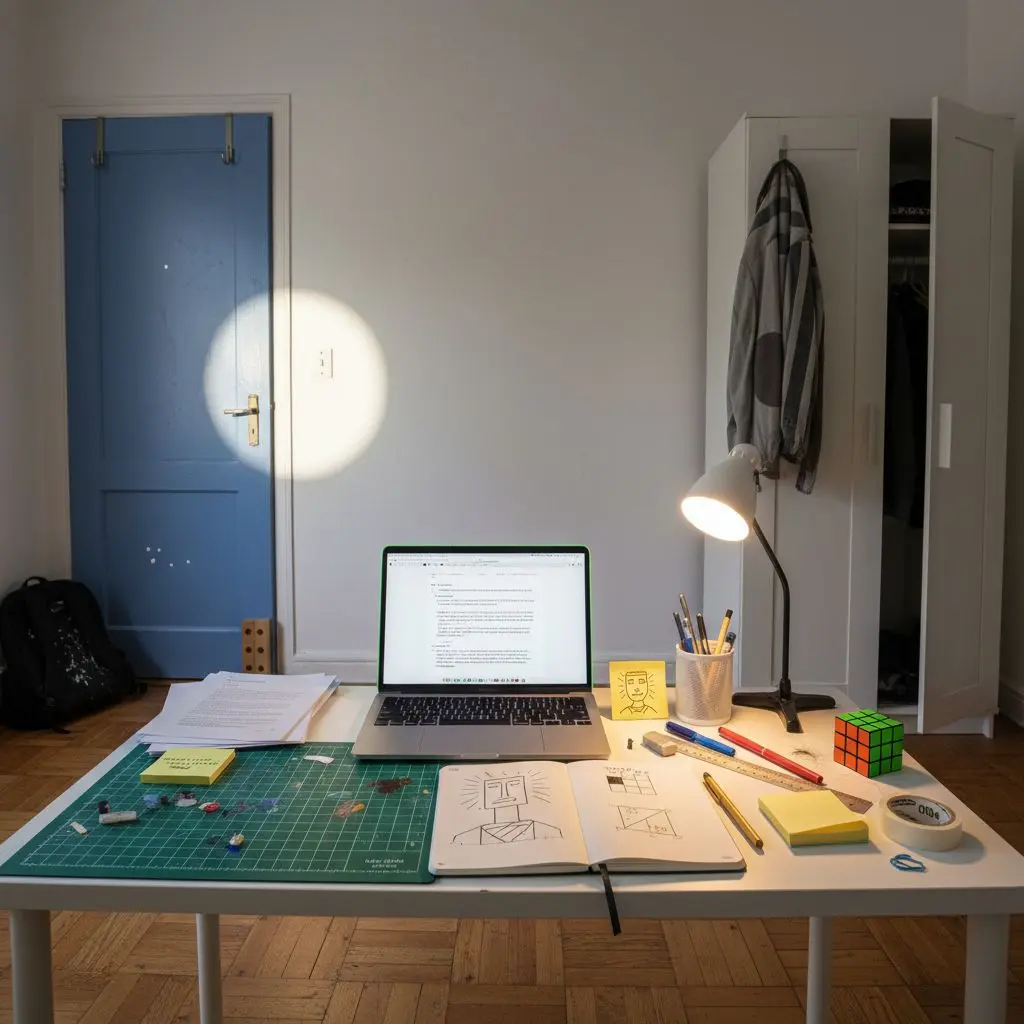
i did a small performance piece. the explanation + the piece is here:
the final image is this, with the transcript here:
Transclude of performance-20260923-010437.txt
the actual space is this:
center:
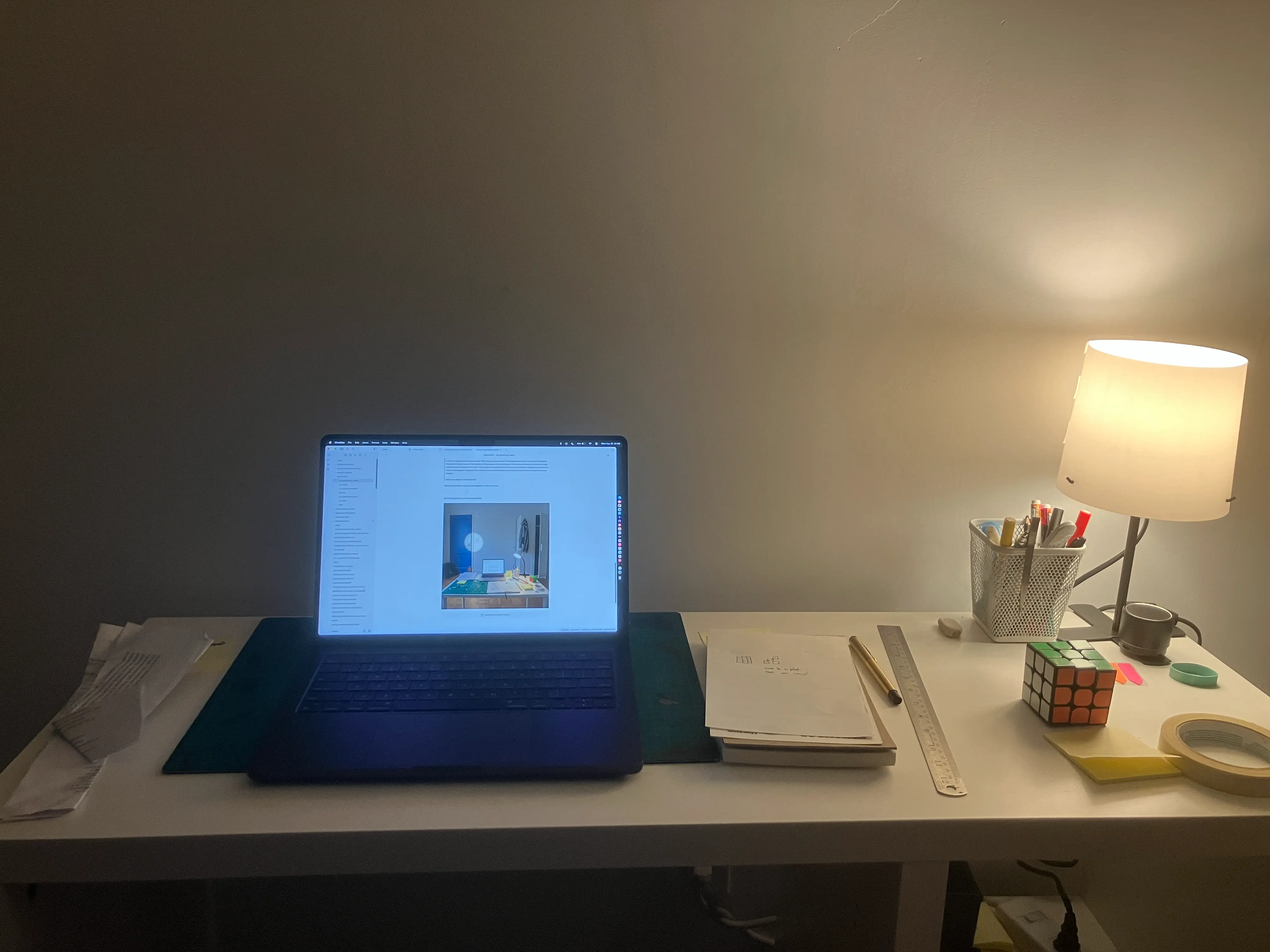
left:
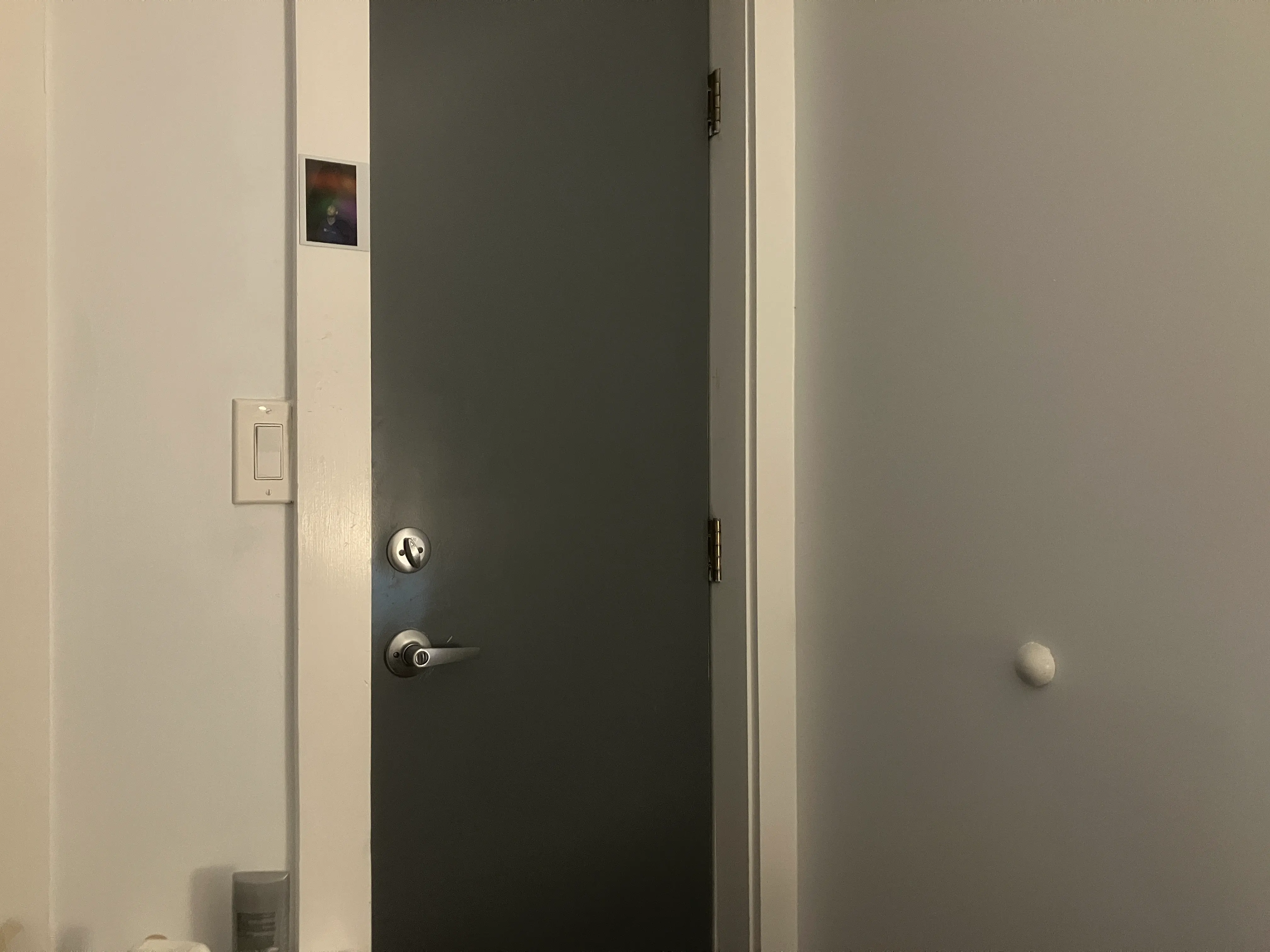
right: