notes:
- spoke about harald bode being the original inventor of analog synths. , 7702 vocoder, by harald bode.
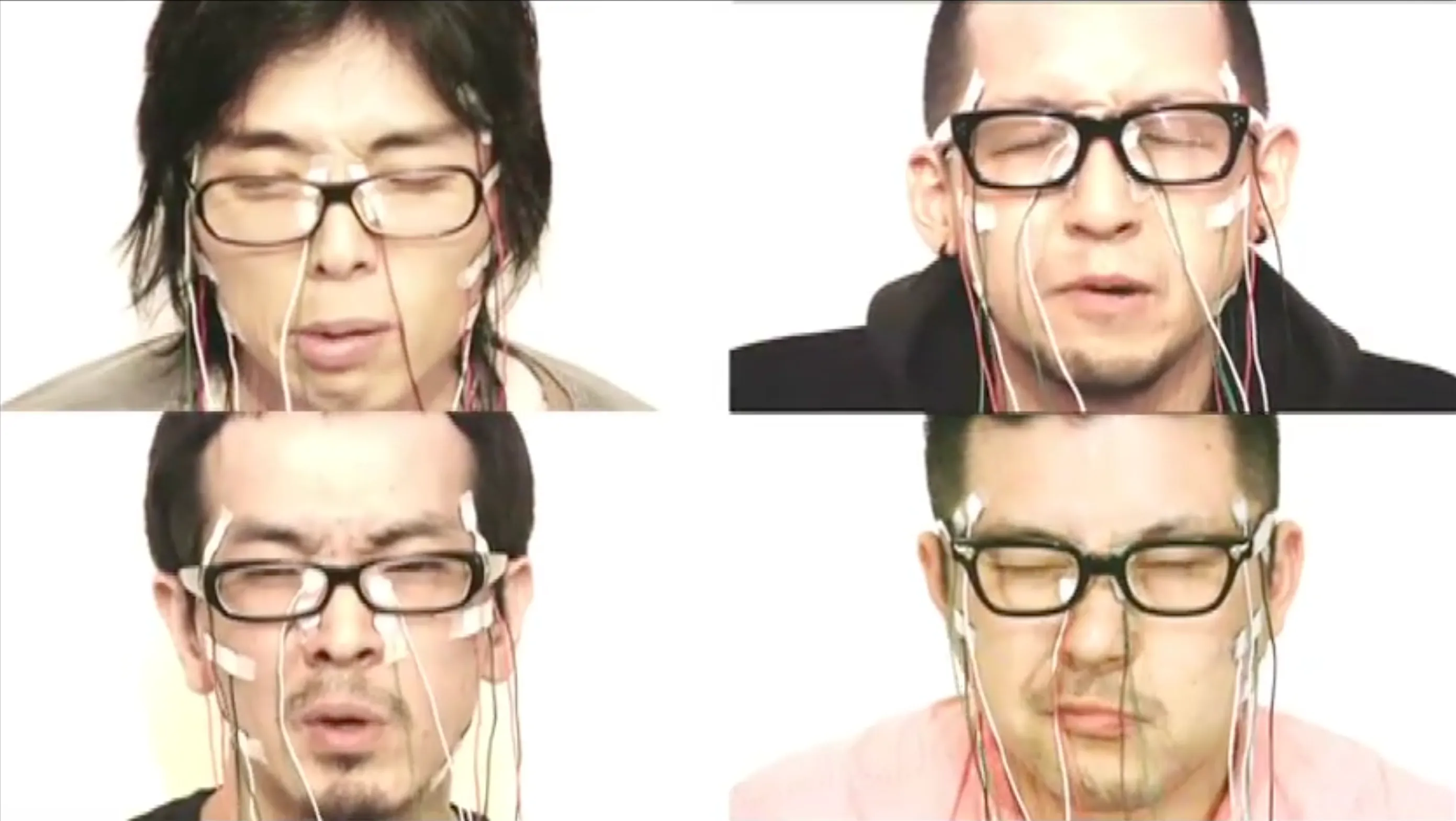
spoke about how electric stimulus to face, by daito manabe is actually a max-patch that outputs signals to make people act involuntarily.
spoke a little bit about the history of sound recording.
- people reading music & playing (notation) is a new concept. people earlier passed instructional notation. — learn the thing, and then play later.
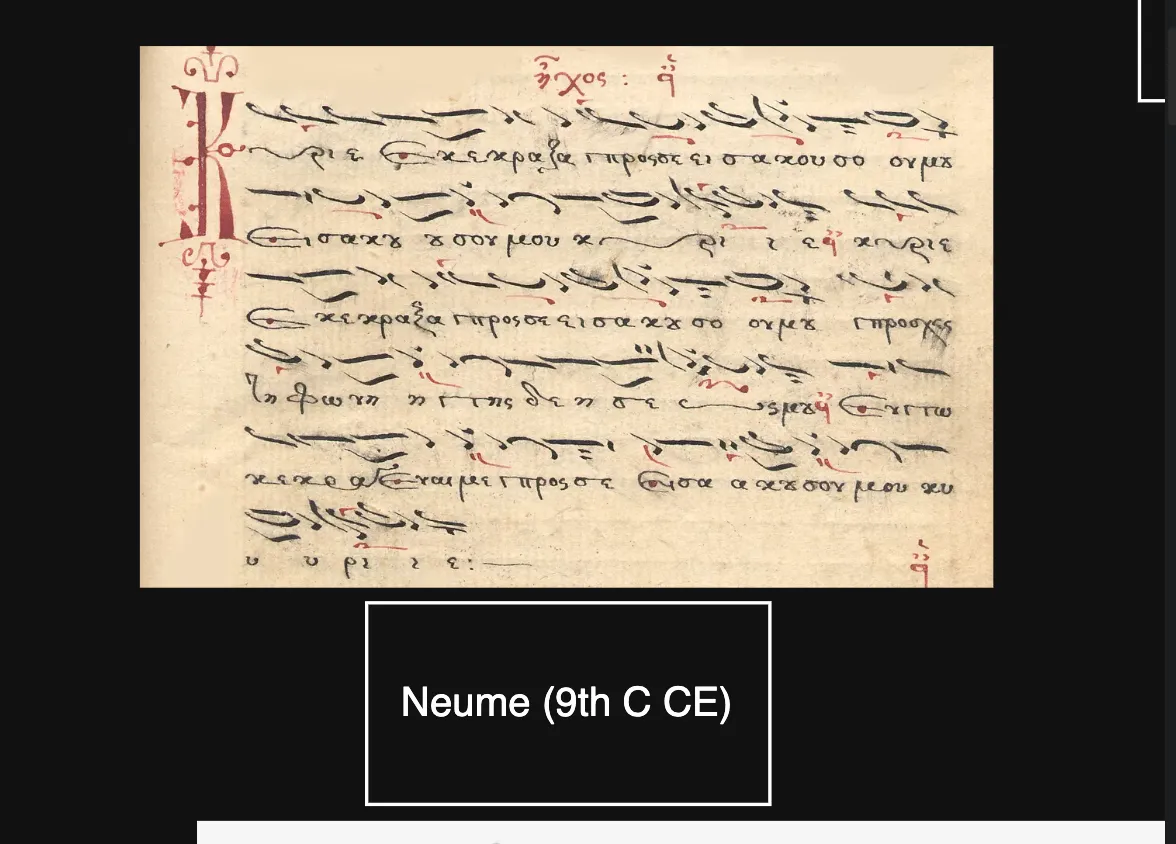
saw early music notation devices, such as a neume: shows higher or lower pitch periods for a person to perform a specific composition.
- luke dubois mentioned this book: https://www.amazon.com/Any-Sound-You-Can-Imagine/dp/0819563099 (any sound you can imagine).
we had an interesting discussion about people owning more instruments in the past, therefore there were more 'musicians'. in comparison to now.
therefore what is music?
it was never meant to be trapped with ‘professionals’. related to notes from strangers need strange moments together.
listened to how high the moon les paul mary ford: https://www.youtube.com/watch?v=NkGf1GHAxhE&list=RDNkGf1GHAxhE&start_radio=1
spoke about .wav files. each wav file is just numbers. spoke about compression, bit depth and sample rate.
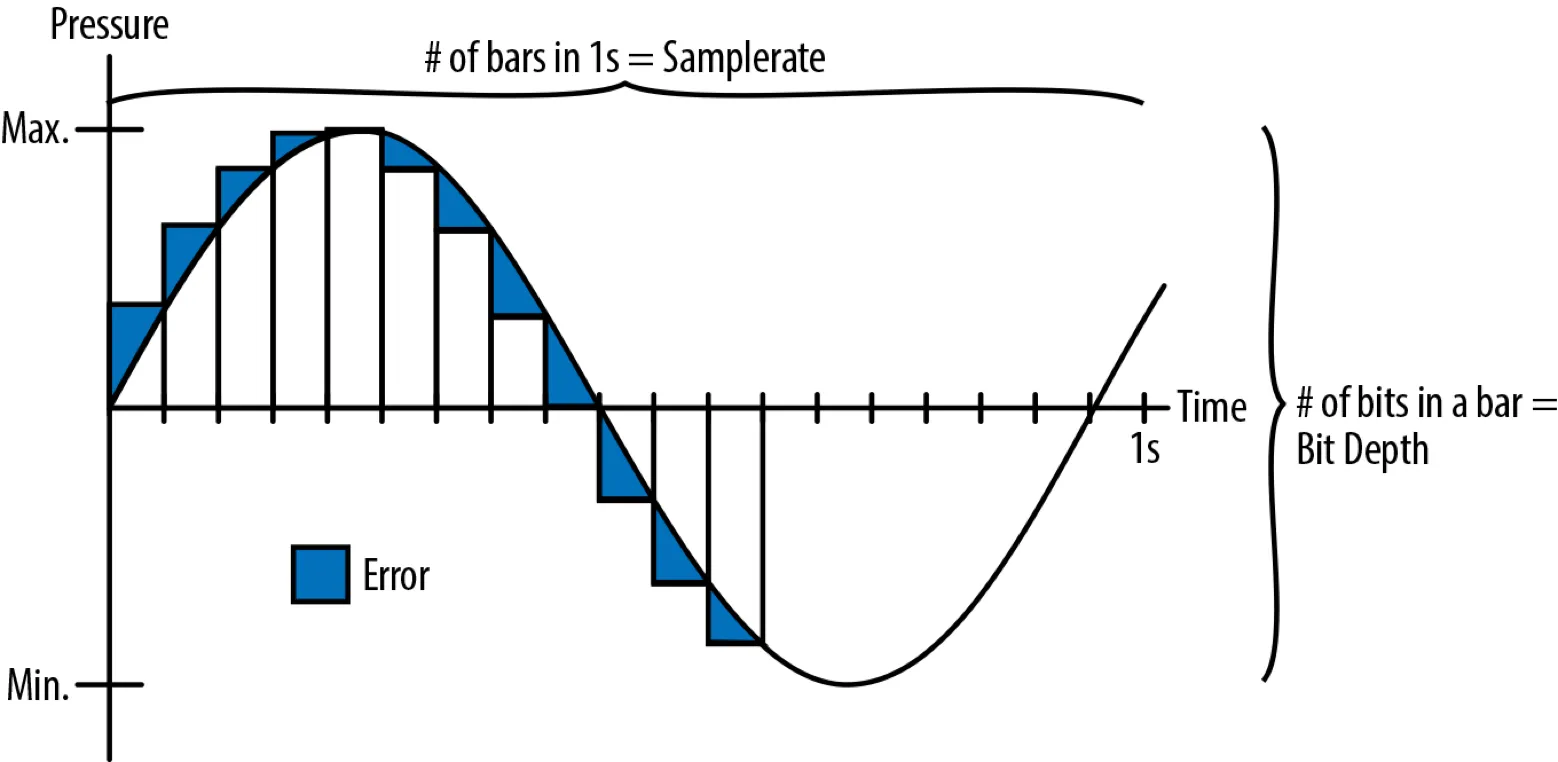
spoke about the shannon nyquist limit.
a signal must be sampled at a rate greater than twice its highest frequency component to avoid distortion known as aliasing.
tristan perich 1-bit music: https://www.youtube.com/watch?v=emb9GxDRGcI&list=PLgiF6PIW3TGKKA_Ku1OAA4srg7EVt0aEM
each max object has a method.
spoke about euclidean algorithm for music (a linear rise in something).
spoke about effects being skimmed down with the note length in fairlight cmi that leads to the funky tune in stranger things.
https://www.youtube.com/watch?v=lIrBQim8dzk
a speaker produces analog signals.
