reading:
watched how sapiens conquered the world.
spoke about our ability to cooperate flexibly in large numbers, and, thereby, taking over the world (in terms of collective weight).
smaller animals like ants can cooperate in large numbers, but not flexibly. bigger animals, like apes, can cooperate somewhat flexibly, but not in large numbers (need to intimately know who they’re cooperating with).
how we’re able to cooperate with strangers, simply based on stories told to other people (not physical facts); like money — which is the greatest story ever told.
conferences are interesting — you collect in big numbers, to hear abstract ideas, that a stranger has.
writing:
ask:
The main thing I notice when examining my mind is that I am alone with access to it. Yet we are clearly social animals driven to use media to connect, cooperate and even to think. How much of your thinking involves what other people think? Is all media except diaries social media? Have computers and networks diminished our social media and our skills for public and private discourse with it? Maybe we should drop back more to first principles about human need for socializing and outside the box for interfaces for finding other people.
Harari says that is stories that allow us to collaborate. How can shared stories? When everyone is able to distribute their own stories and our culture wars are are fragmenting our society, do you have ideas for allow us to find common ground? Do you have have one story win, average the stories, have many parallel stories connections between them? Does this week’s technical assignment, authentication, help by introducing accountability of being publicly associated with a thought or the anonymity to say what you really think bring us closer to truth?
Haidt is very convincing about the ill effects of social media and phone use. You probably wish you were more comfortable socially and used your phone less but what can we really do?
Why don’t more ITP students make social software for their thesis? Can you describe (you don’t have to make it yet) that improves matters.
Okay, now you are in charge of the algorithm. You decide what a person should look at next. Should you show them things that are similar to what they have liked in the past or different? Should you steer people towards peaceful things or towards challenging things?
- Describe in words or pictures your design for a social media feature or product that makes people kinder and happier (or whatever goals you think are important).
Oh by the way you have to make money too.
harari’s lecture correlates our evolved dominance over the world to our ability to flexibly cooperate in large numbers, and to do so via imaginary stories. when you look at the world today, it is both: tightly cooperated & intensely separated, because of the stories that our imagination chooses to agree with.
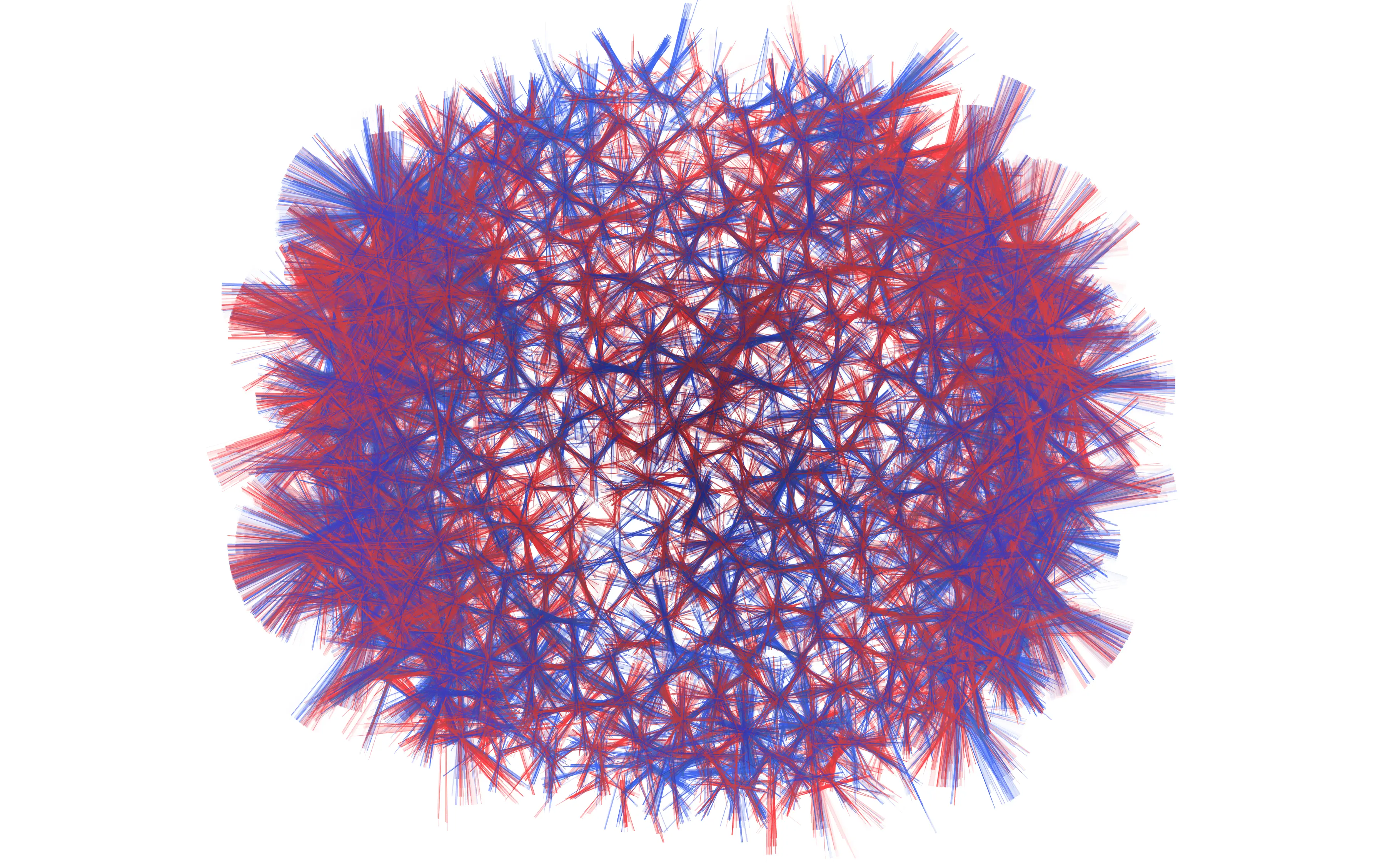
we live in a time when the most stories are being told between human-beings. the internet, personal-networked-devices, and social-media has made it so. a large-language-model is the biggest collection of stories we have ever told in all of humanity.
yet, dan-o’s ask is for us to do more.
why don’t itp students make more social software for their thesis? why can’t we make another facebook? a ‘better’ one.
my first problem is with our collective aspiration to do ‘better’. all of us are taught to aspire for that word, but receive little education about learning how to construct it (see notes from daisy ginberg’s better thesis). in fact, if you give us this prompt, i ask you: what does a better social-media look like to you?
because to me: it feels like we’ve got the aspiration wrong right off the start. perhaps a world where more stories can be told is not a better world. perhaps a world with more devices is not better. more polarization is not better. but, sadly, my better is very different from your better. as a ‘media creator’, your better dreams of longer consumption times. as a performer, my better strives for short pockets of concentrated attention. my better means lesser; your better means more (see the masses are yours).
everything is social. everything is a story. whatever has had more than two eyes on it, has been social; and has connected people over an imaginary story.
i have no aspirations to make social media. i have no aspirations to make social-software either.
i have an artistic; intellectual responsibility — i simply pursue it. to feel less lonely in the pursuit — to communicate, to connect — i share it with the world. a small subset of people take interest, and we’re connected for small moments in time. that’s enough to keep me going. i am okay with my primitively small social-network, my niche interests, my tiny audience, my non-famous work, my small crowd that gathers to share stories that drives our curiosity.
maybe the goal isn’t to have a beautiful web of interconnected nodes — all of us living in grand harmony.
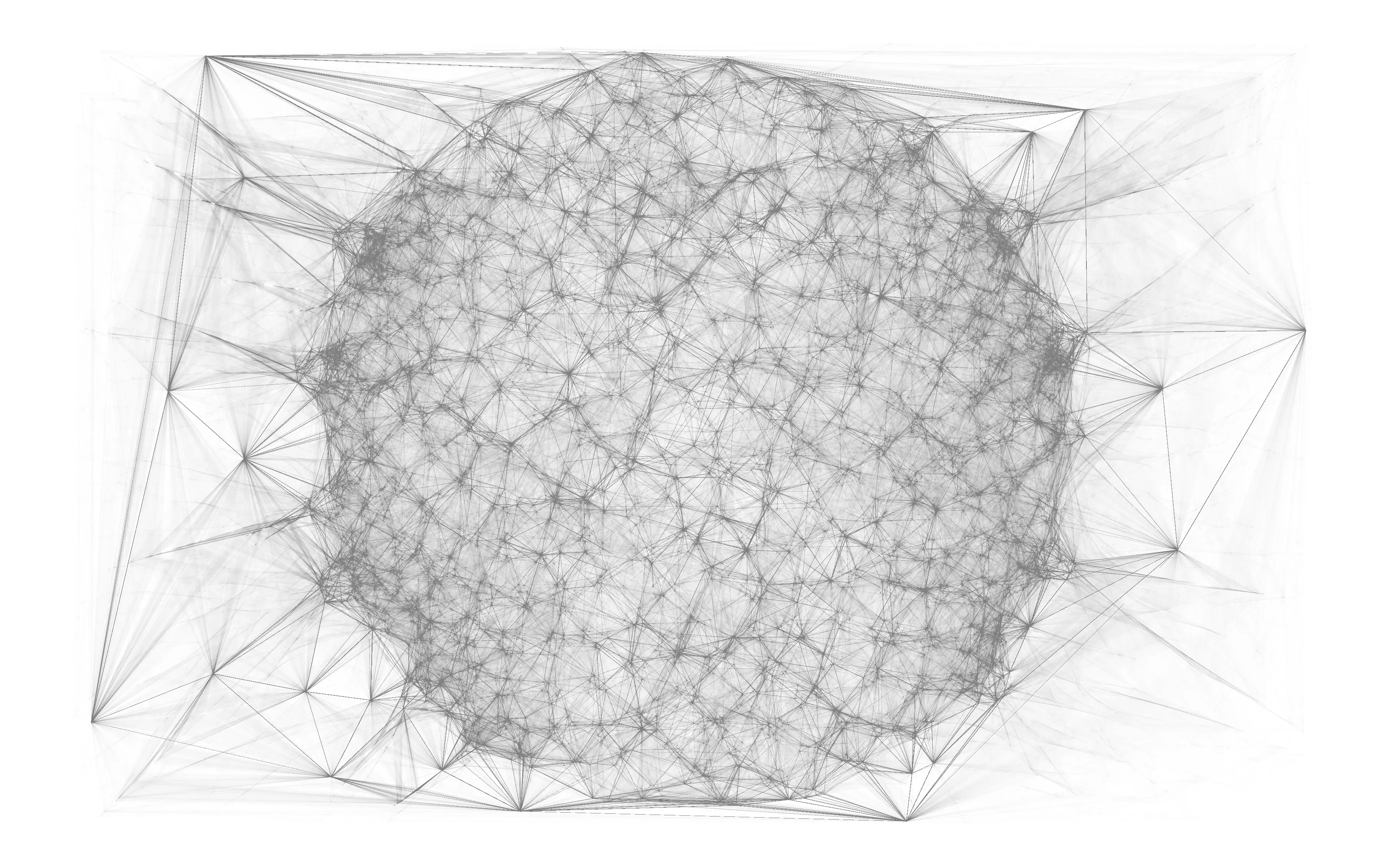
maybe apes had it smarter: maybe it’s better to have fragmented distributed communities — each with their own definitions of ‘good’ & pursuits of ‘better’, but in the optimistic view that many such views are allowed to coexist.
also, if you look at it historically, we all seem to think more corroborates to better. that’s just not true. we perhaps didn’t need this big web unison; i value the intimate, deeper connections far more. yes, i have the opportunity to reach out to someone living off the west coast of japan doing interesting work, but is that ability necessarily better?
i’d argue not.
making:
ask:
Make a multi user application.
See if you add authentication functionality so that people can have accountability and build reputation in the application. See if you can use Firebase’s authentication functionality, or if you are having trouble, just use the “prompt” command to record the name a person volunteers.
Can you make an app that allows people to tell their stories? Maybe build an AI assisted chat app, Miro board, Google Doc, a group picture app or a cooperative comic book? Maybe start with a single frame but think about how this could work with a sequence of still frames or a movie. Or if you are loving the direction from your recent assignments, keep going with that.
Can you make fake users, agents to test the problem of scale that we have with social media. You
Now you hopefully feel the pain of how to hilite a some among a sprawl of users. This motives the interface challenge of this class. For now you can make a pulldown menu or an array of photos (fake people) for finding other people and their creations but can you think of something more innovative to navigate through all the other possible worlds.
the ask is vaguely to do something social, and to do so with user-authentication.
i’m going to decide against authentication — i think it adds a barrier that prevents people from being authentic. the flip-side of that is that people can also be evil — but if giving people the agency to be more authentic brings out this evil side, that says something about innate human nature that i don’t want to hide.
i was more interested in trying to get machines to talk to each other, and to try and build something collaboratively. this is what i made:
and this is the url: https://arjunmakesthings.github.io/shared-minds_f26/week-5/
if it’s offline currently, it’s probably because i’ve shut down my digital ocean droplet. i can turn it back on to demo in class.
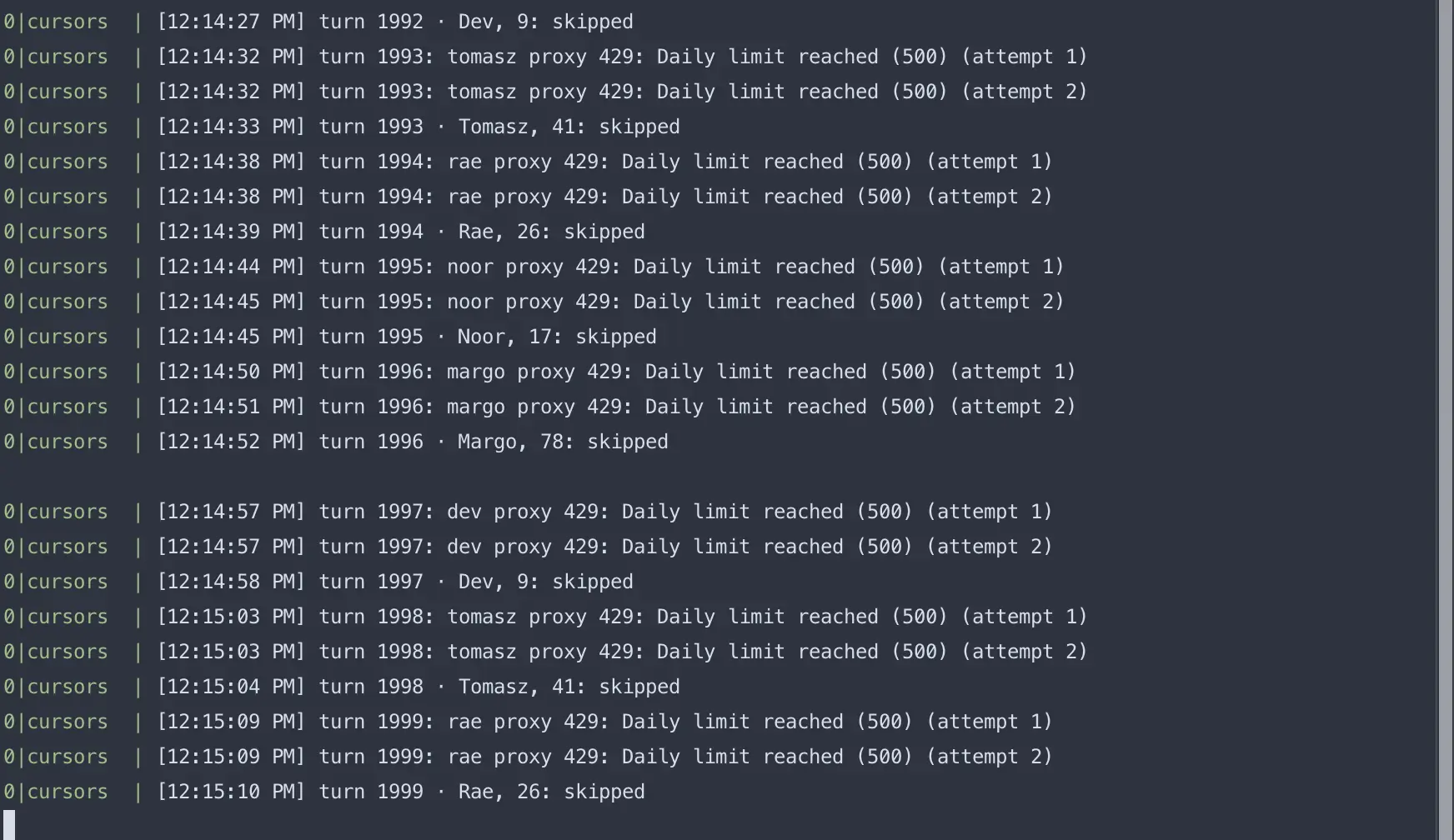
hit my daily limit.