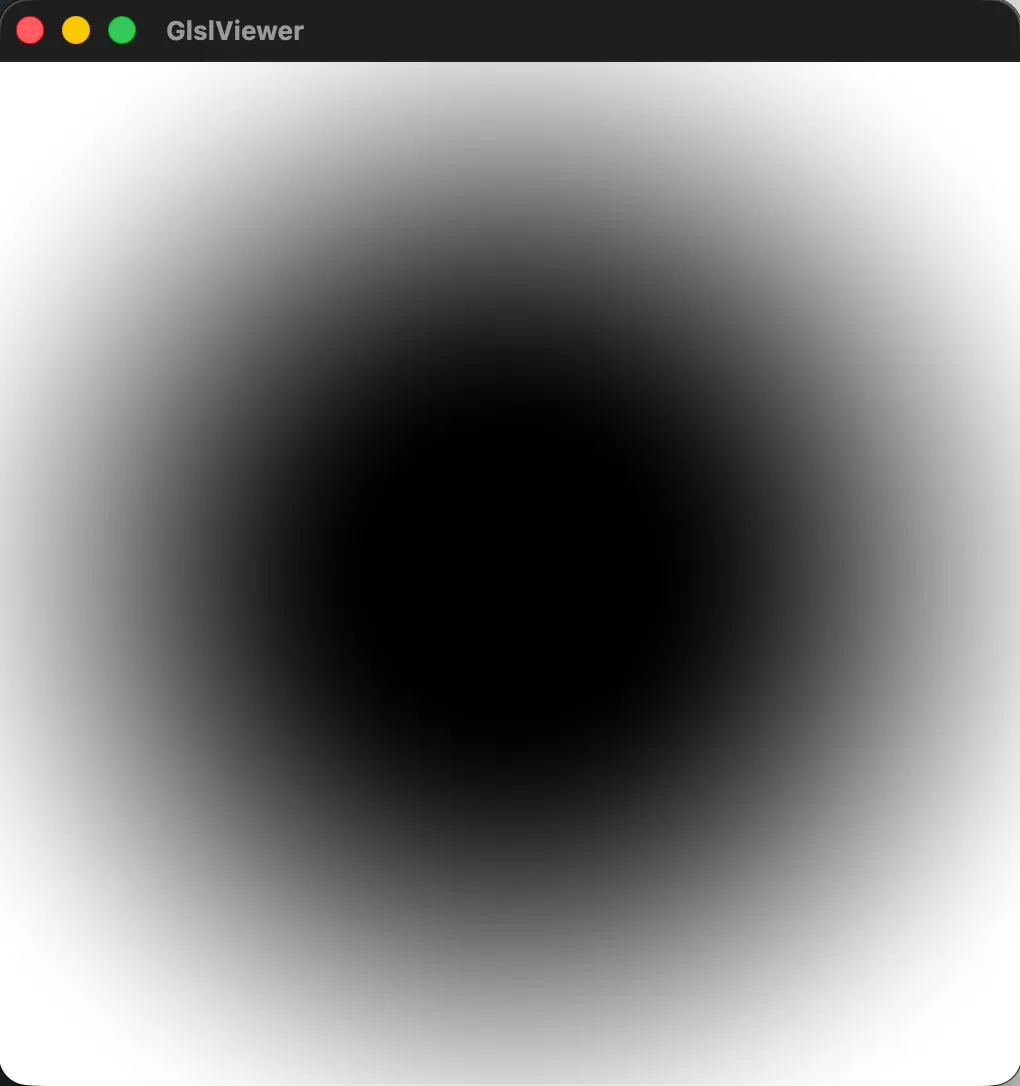
a signed distance function essentially gets the orthogonal distance between a point on a surface & the boundary of a shape to determine whether the point is inside or outside the shape.
https://en.wikipedia.org/wiki/Signed_distance_function
inigo explains it well for a line segment: https://www.youtube.com/watch?v=PMltMdi1Wzg
for example, for a circle, the sdf is:
float sd_circle(in vec2 p, in float r) {
    return length(p) - r;
}
so this:
void main() {
    vec2 st = gl_FragCoord.xy / u_resolution;

    vec2 pos = st;

    float d = sd_circle(pos, 0.25);

    vec3 col = vec3(d);

    gl_FragColor = vec4(col, 1.0);
}
would produce this:
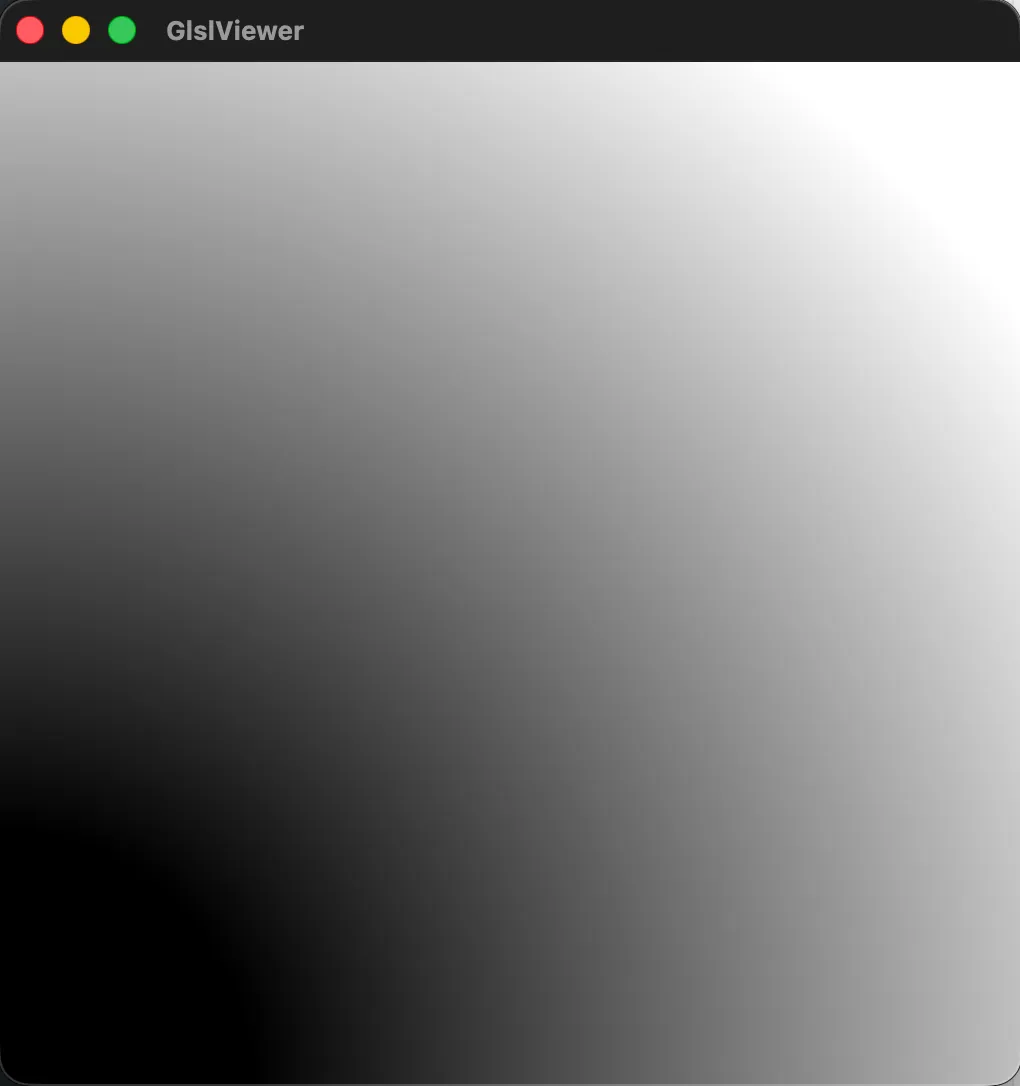
we can color correct firstly (because right now it’s interpolating).
vec3 col = (d < 0.0) ? vec3(0.0) : vec3(1.0);
makes:
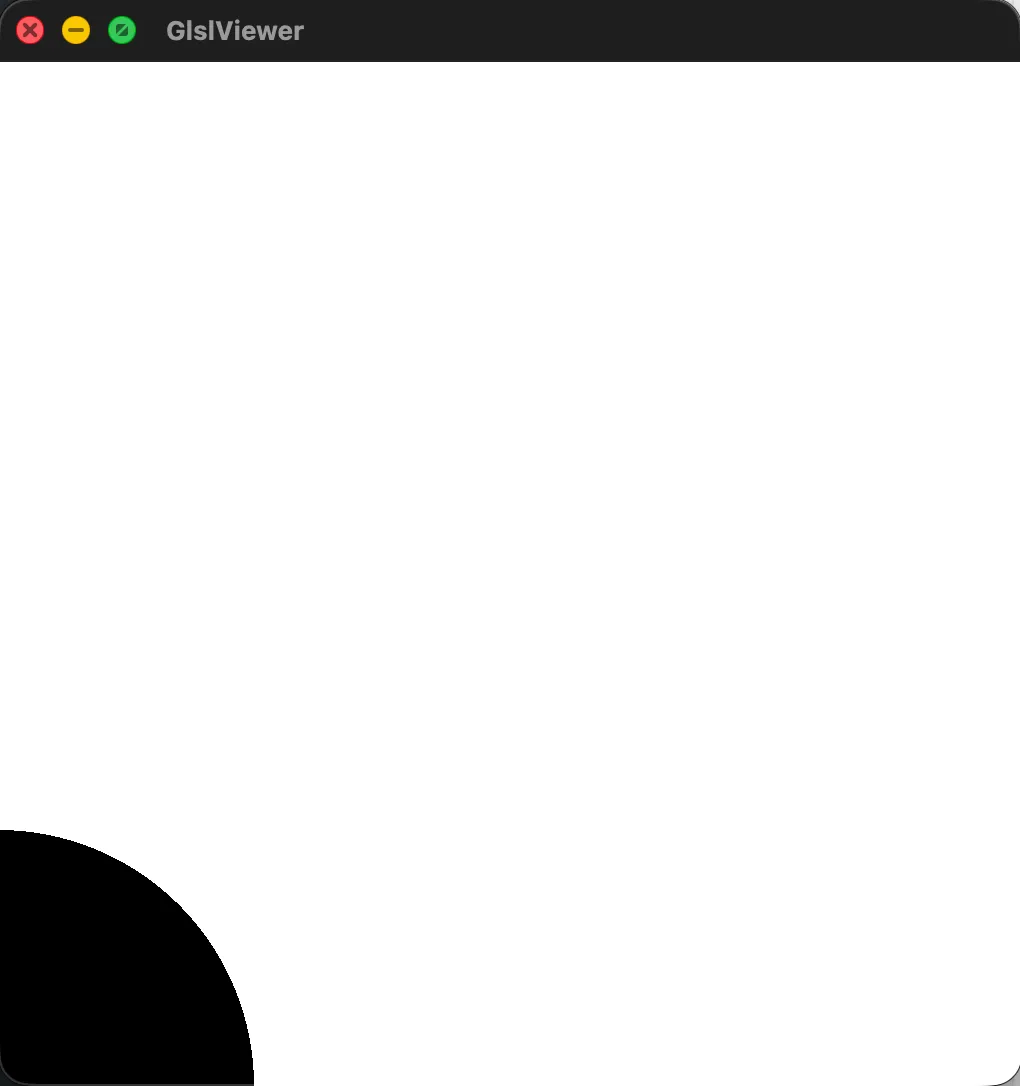
next, the problem seems similar to that of p5.js, where the origin of the circle seems to be different.
doing this:
    pos.x -=0.5;
    pos.y -=0.5;
would fix that:
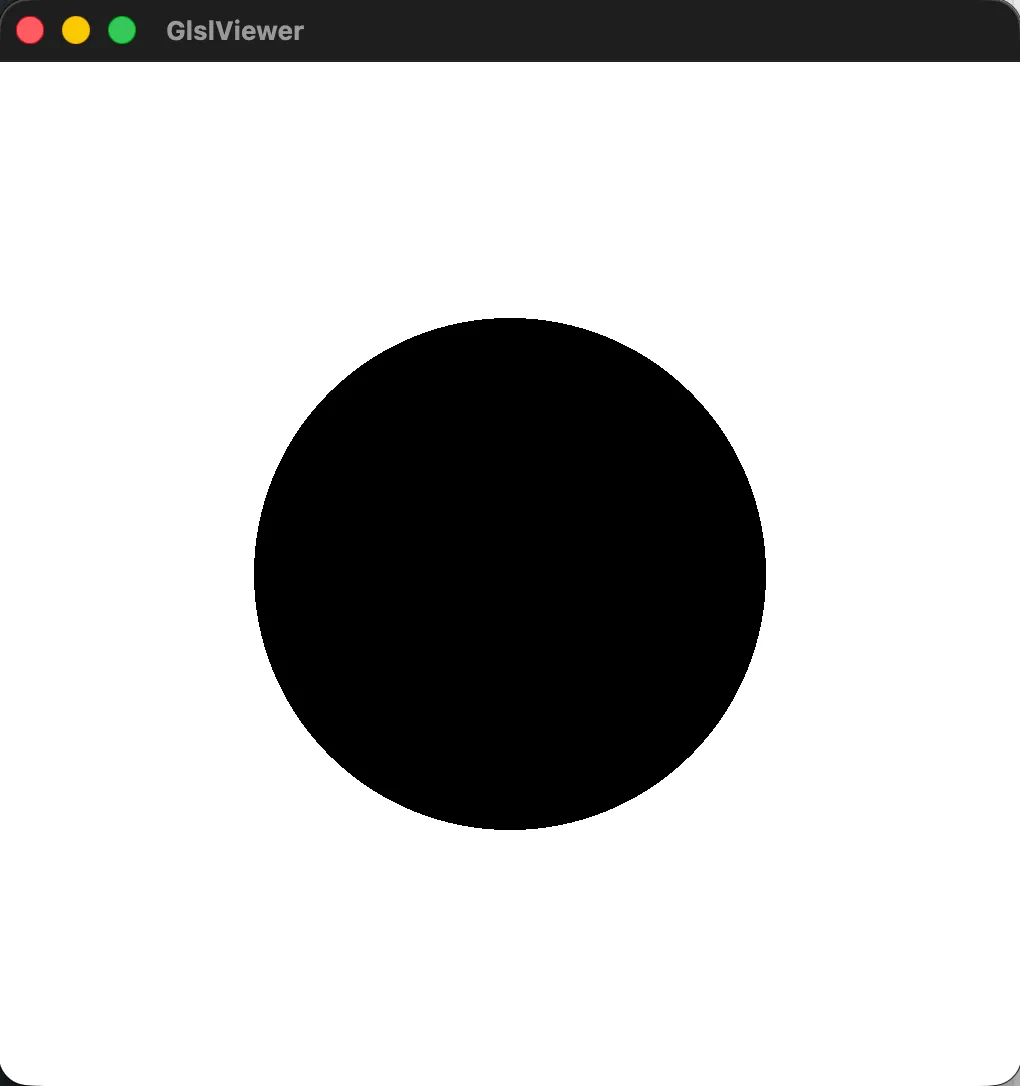
but that’s not efficient, because the shape won’t resize well.
vec2 pos = (2.0 * gl_FragCoord.xy - u_resolution.xy) / u_resolution.y;
doing this would fix it because it doubles the coordinates / divides by resolution height — thereby keeping aspect ratio.
with hermite interpolation: