on the differences between bioart and biodesign, by william myers:
(paraphrased) notes, and all images belong to william myers.
biodesign integrates biological processes, and living material becomes part of the finished product or system that has utilitarian application.
bioart utilizes living biology as an artistic medium, or addresses the changing nature of biology’s meaning through its output.
“crisis of consciousness”; bioart is a response to technological-advancement affecting identity, nature and our relationship to the environment.
much of the book references surrealism as a starting point for bio art. however, i disagree. i think it goes as far back as the renaissance.
william makes the case that during surrealism, people were also learning more about consciousness and the ‘human experience’ (via freud, biologists, et-cetera); and that influenced the boom of using biological material as working material for art.
artists that i liked, and why:
azuma makoto:
flower artist, growing artificial trees.
ai hasegawa
around reproduction.
angelo vermeulen:
polymath; combined a bunch of interests. made a computer system that heats up → algae uses it → produces cold to cool the computers. ties with my symbiotic interests.
philip beesley:
makes these incredibly large, intricate sculptures that feel like we’re beneath soil.
raul ortega ayala:
liked his process — ethnographer; lives in a particular ‘job’ or ‘setting’, and makes work based on that.
suzanne anker:
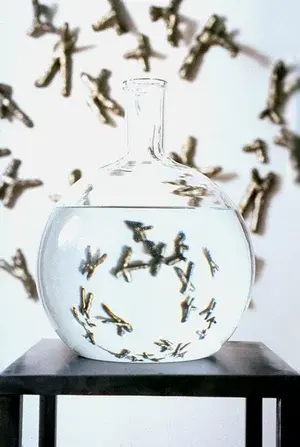
leads bio art lab at the school of visual arts in new york. made a piece called zoosemiotics about genomes and magnifiication.
patricia piccinini:
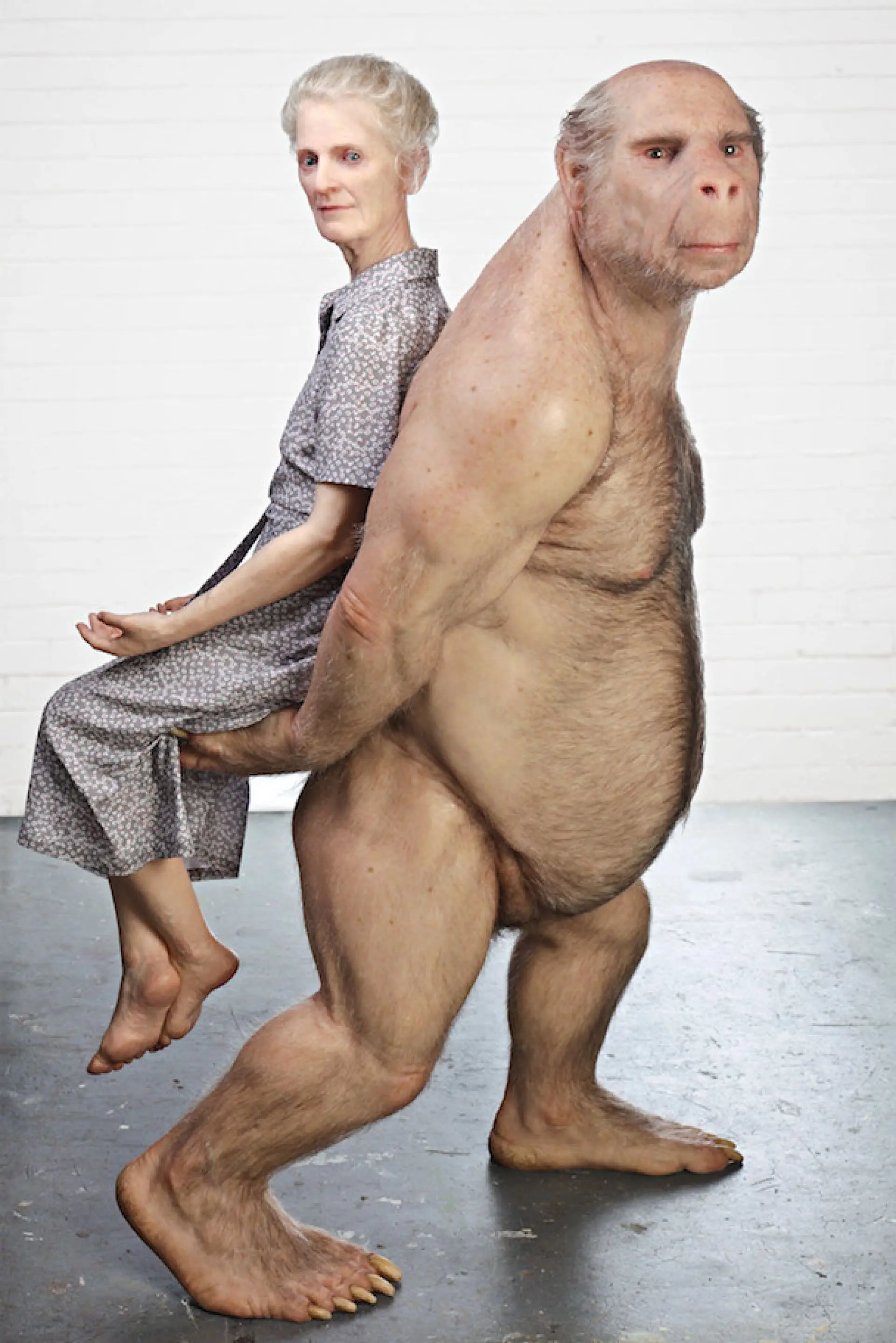
“and if she could be engineered, would she actually be something people might choose to create?”, about her work the skywhale.
“My practice is focused on bodies and relationships; the relationships between people and other creatures, between people and our bodies, between creatures and the environment, between the artificial and the natural. I am particularly interested in the way that the everyday realities of the world around us change these relations.
My work aims to shift the way that people look at the world around them and question their assumptions about the relationships they have with the world.”
thrusts into our consciousness an uncomfortable combination of the plausible and the grotesque: life forms we might one day breed, engineer, or simply imagine.
jalila essaidi:
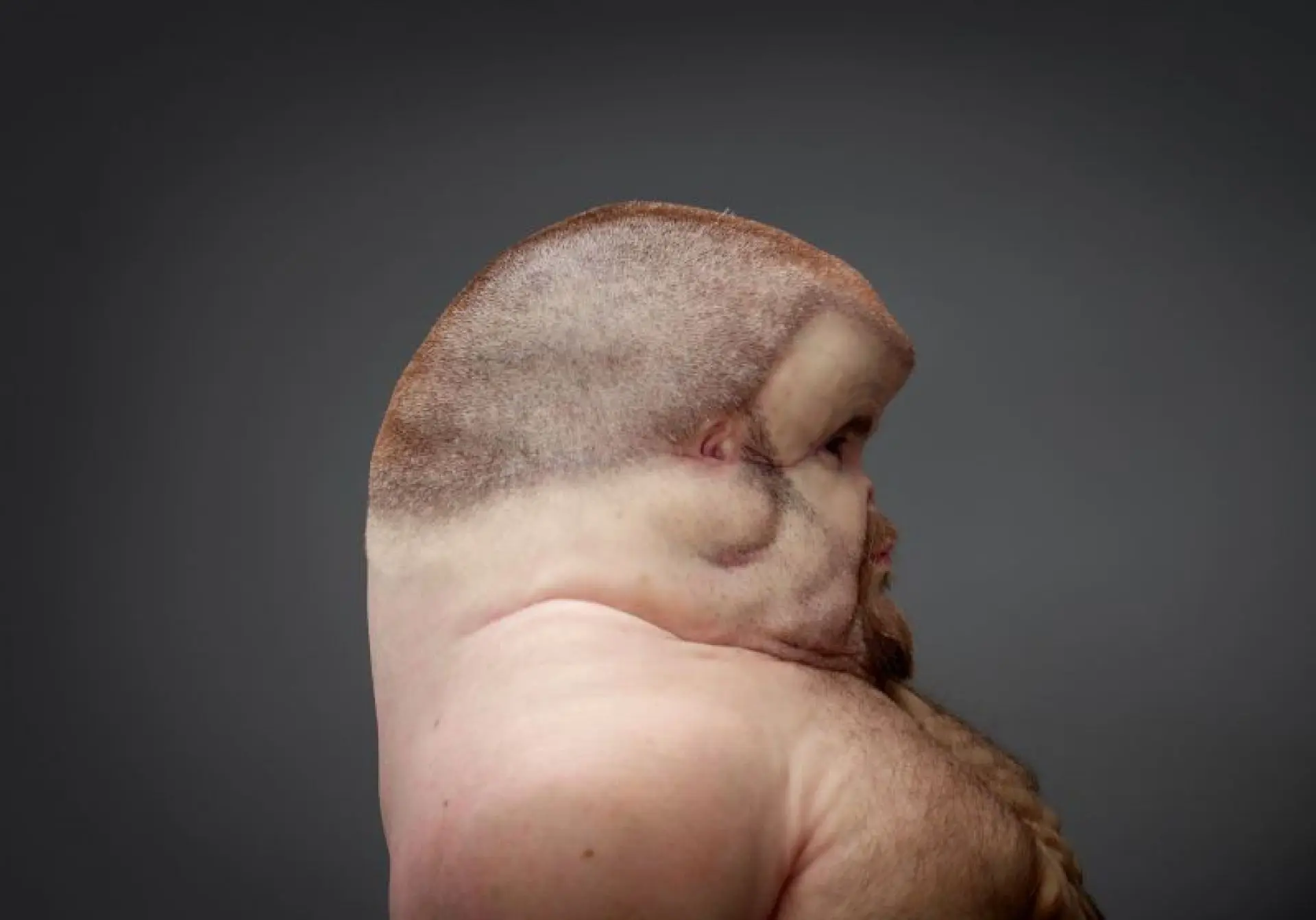
made bulletproof skin:
ask:
Please read this full book over the next weeks and choose one artist you are excited about from the reading. Research a bit more about them and come to class prepared to tell us very informally about what you learned. Prepare to share at least one additional artwork from this artist which is not described in the book and bring a discussion question to engage us in thinking about the meaning of this artist's work.
patricia piccinini: the tension between the absurd and the believable is so remarkable.
the emphasis on the eyes too.
immediately makes you think: what about this made me wonder if this is human or ‘real’?
whereas:
jalila made bulletproof skin: https://jalilaessaidi.com/2-6g-329ms/
and manure-based bioplastics: https://jalilaessaidi.com/cowmanure/
so my question is in the contrast between the two artists: do we make something that has a utilitarian-purpose, problem-solving method (like jalila) or something to pose questions (like what about this is ‘human’) like piccinini?